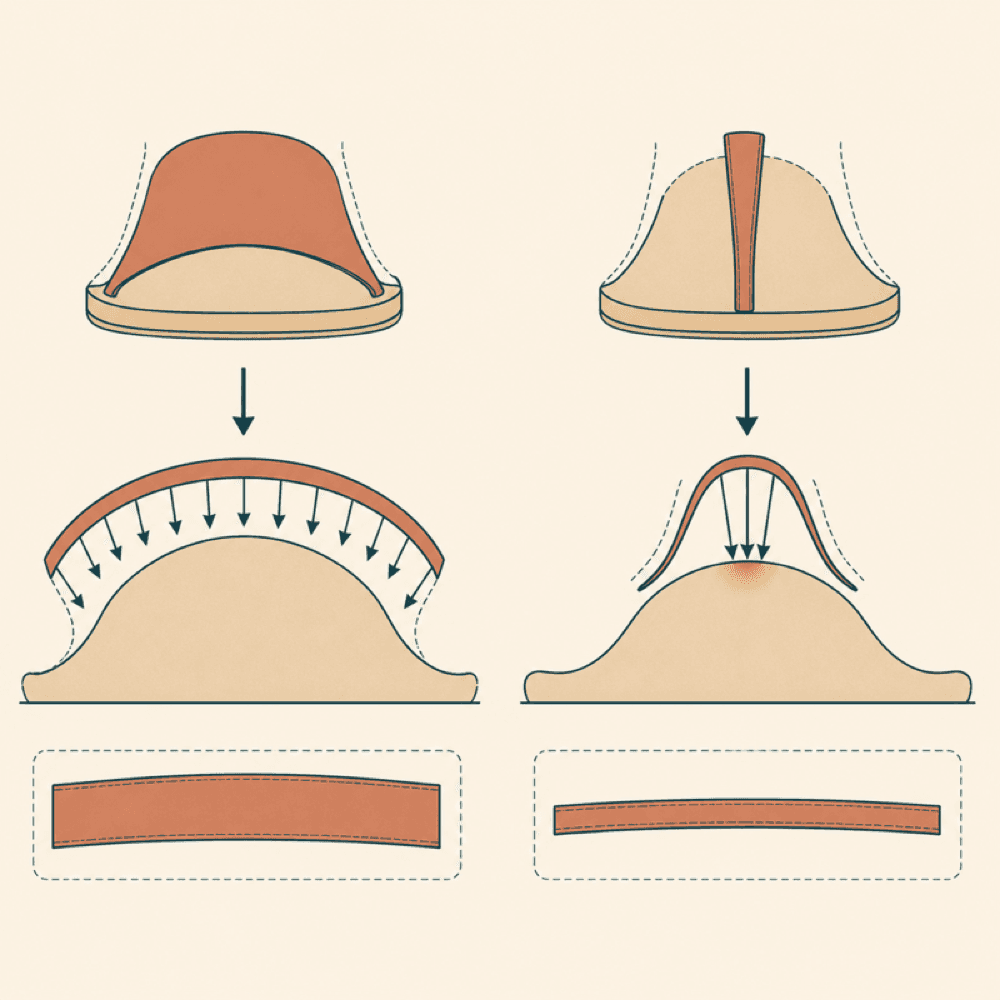
Width changes pressure
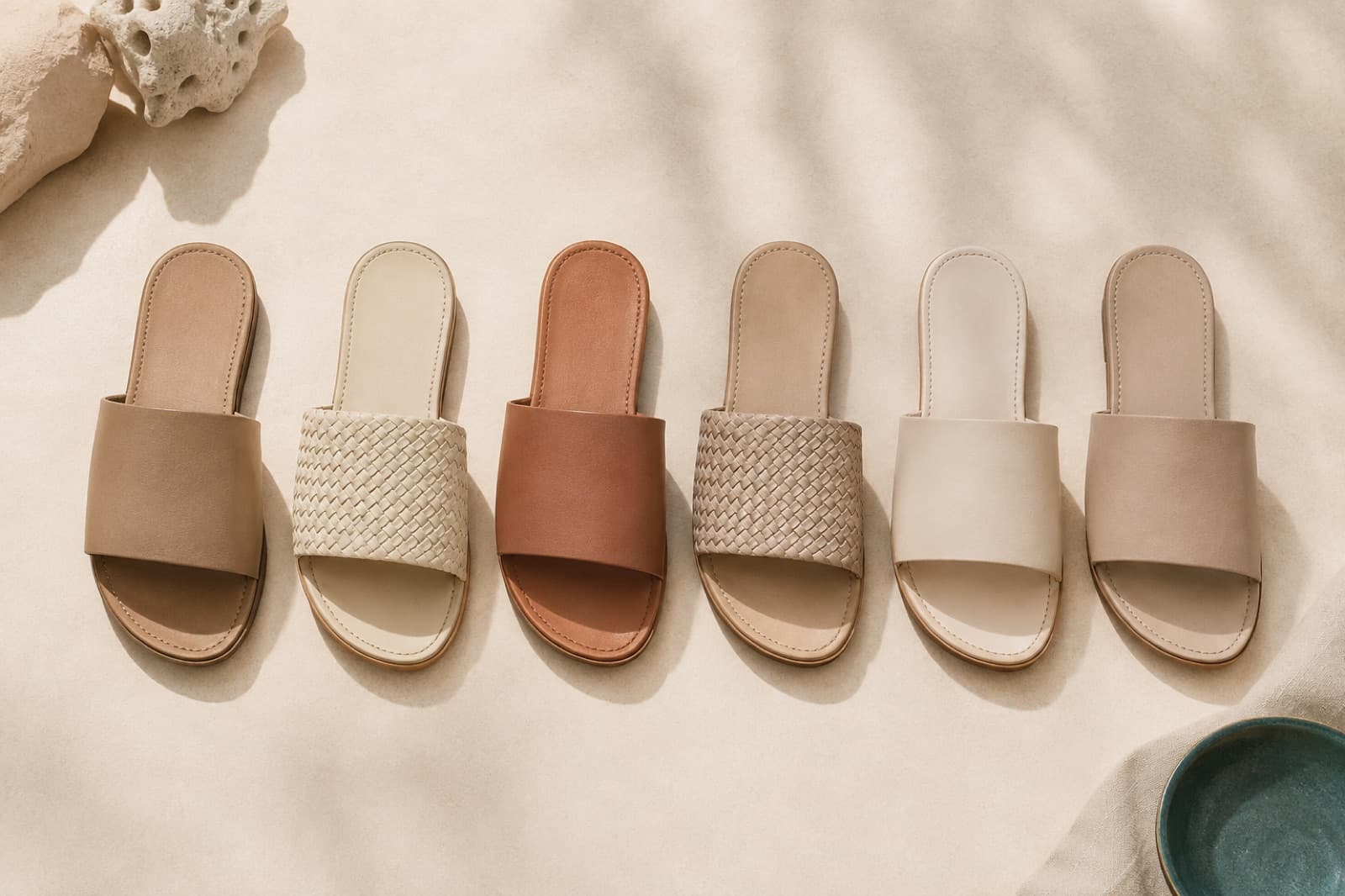
A 42 mm band carries the same hold as an 18 mm one, spread over more than twice the area.
Free standard shipping over USD 119
All prices in US Dollars (USD)
Open footwear · measured in millimetres
Every strap here has an adjustment range in centimetres, and every sandal has a maximum instep height in millimetres. Move the ruler to your own measurement and we will tell you which pairs clear it — and, just as usefully, which ones will press.
A 42 mm band carries the same hold as an 18 mm one, spread over more than twice the area.
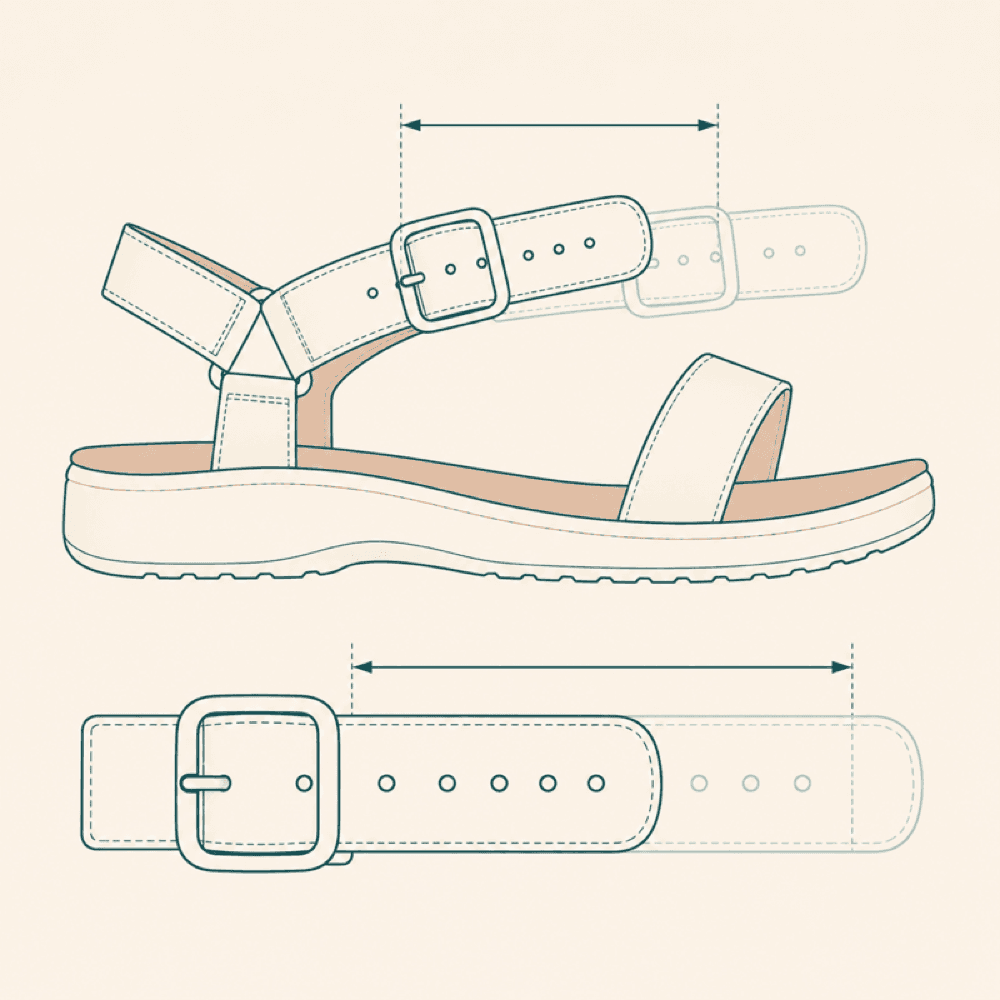
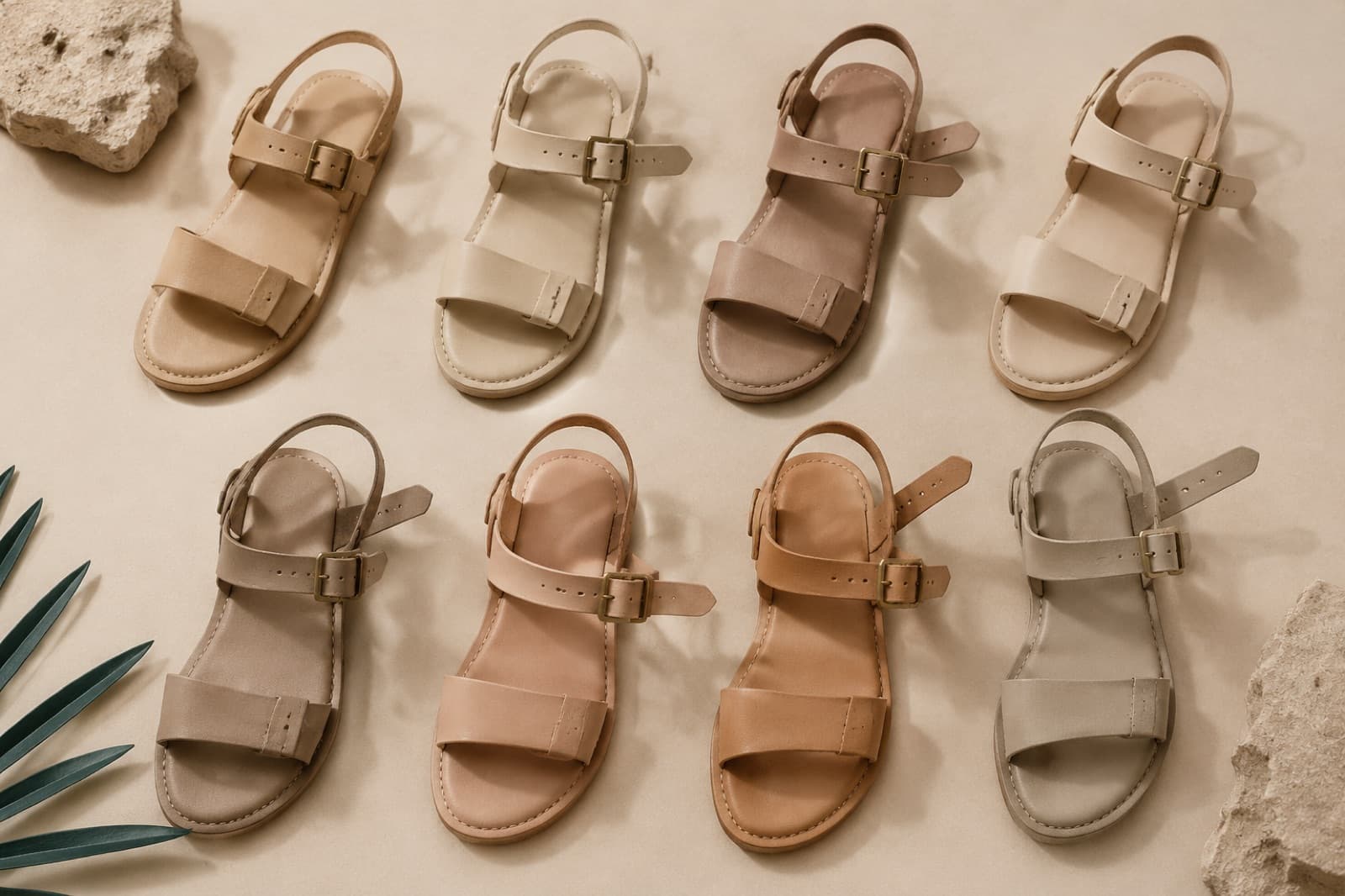
Up to 3.0 cm of strap travel across seven punched holes. The range is printed on every product page.
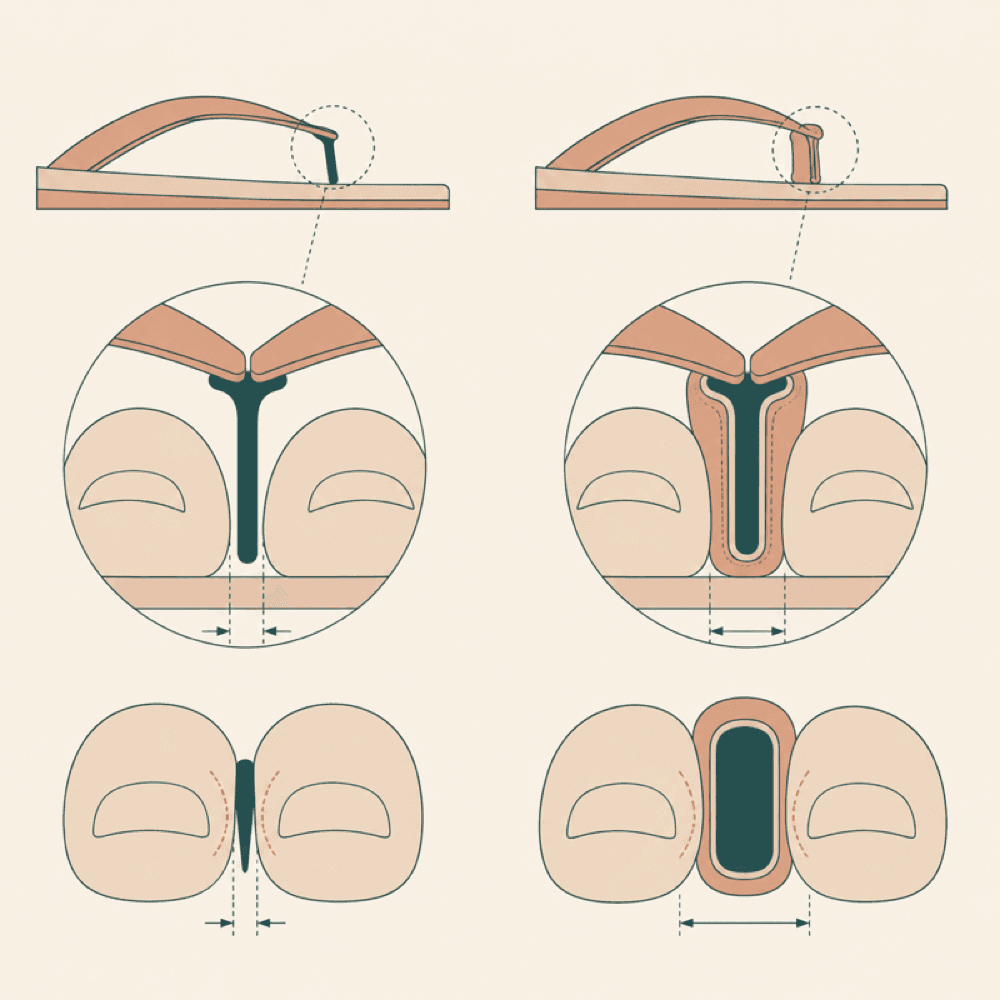
The sleeve moves contact off the edge of the post and onto a rounded surface. It does not remove the post.
Both in EU 38, both 24.5 cm long
Twelve millimetres apart at the same length. That gap is the whole reason this site exists.
A sandal that presses across the top of your foot is not too small. It is too shallow. Going up a size moves the strap anchors forward, not upward, so the pressure stays exactly where it was and the sandal is now too long as well.
That is why every pair here carries a maximum instep height in millimetres, and every adjustable strap carries its travel in centimetres. Both numbers are on the product page, above the fold, next to the price.
34styles
Open-footwear styles, every one with a published instep ceiling.
56–70mm
The instep range our range actually covers, end to end.
3.0cm
The most strap travel any single style offers.
On every product page
Statement one
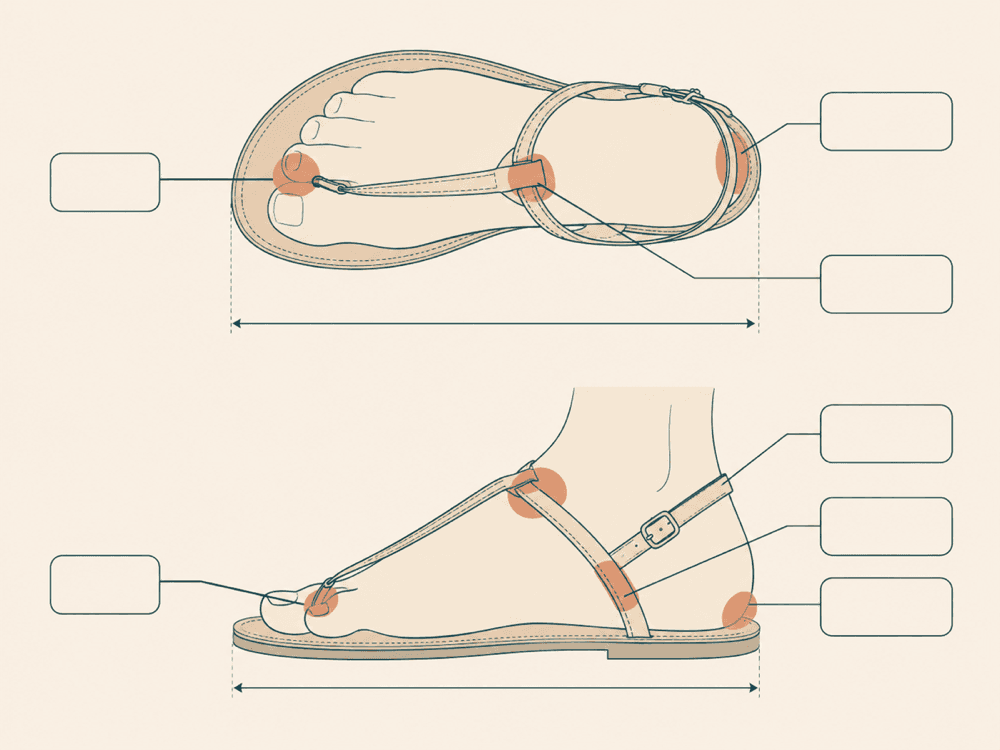
Every product page names the places this particular sandal is most likely to rub, why the geometry puts pressure there, and what reduces it. Four zones, written out, never signalled by colour alone.
The four rub zones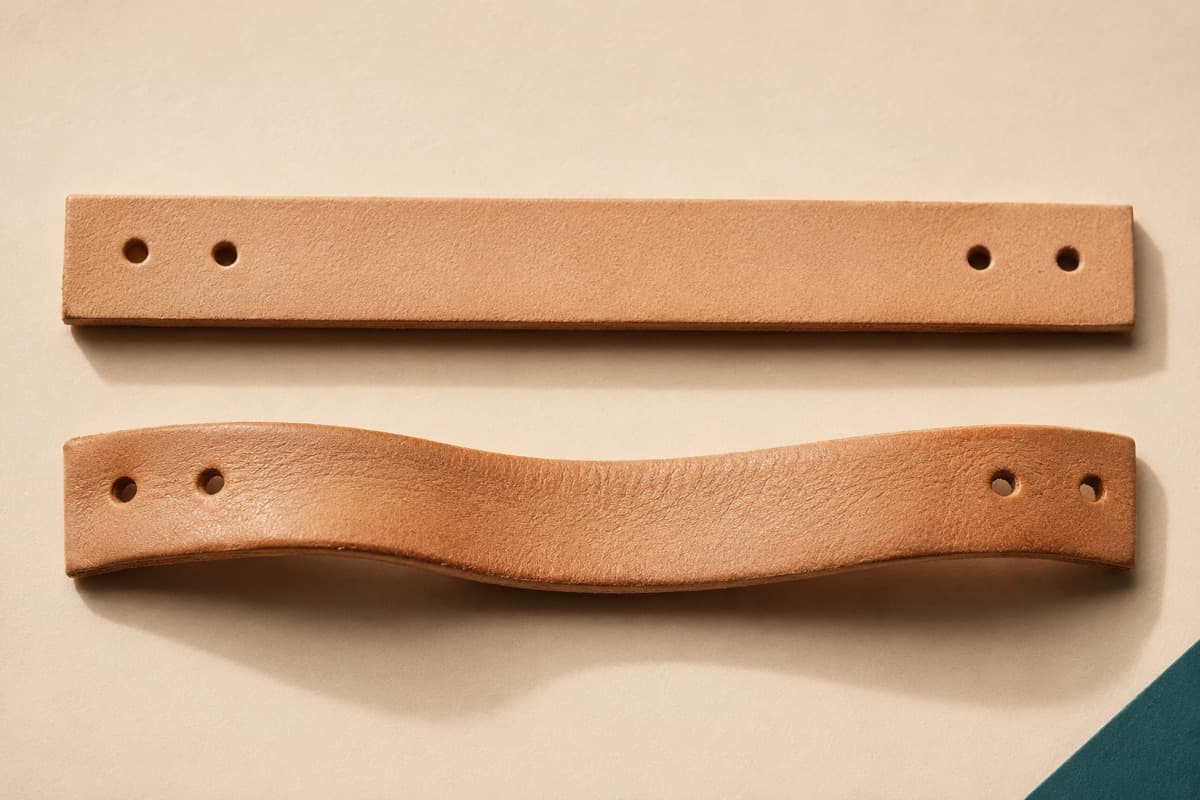
Statement two
Leather straps start firm. We give an expected number of wears before they take the shape of your foot — three to five for most styles, four to six for a wide band. We do not promise that nothing will rub.
What break-in actually means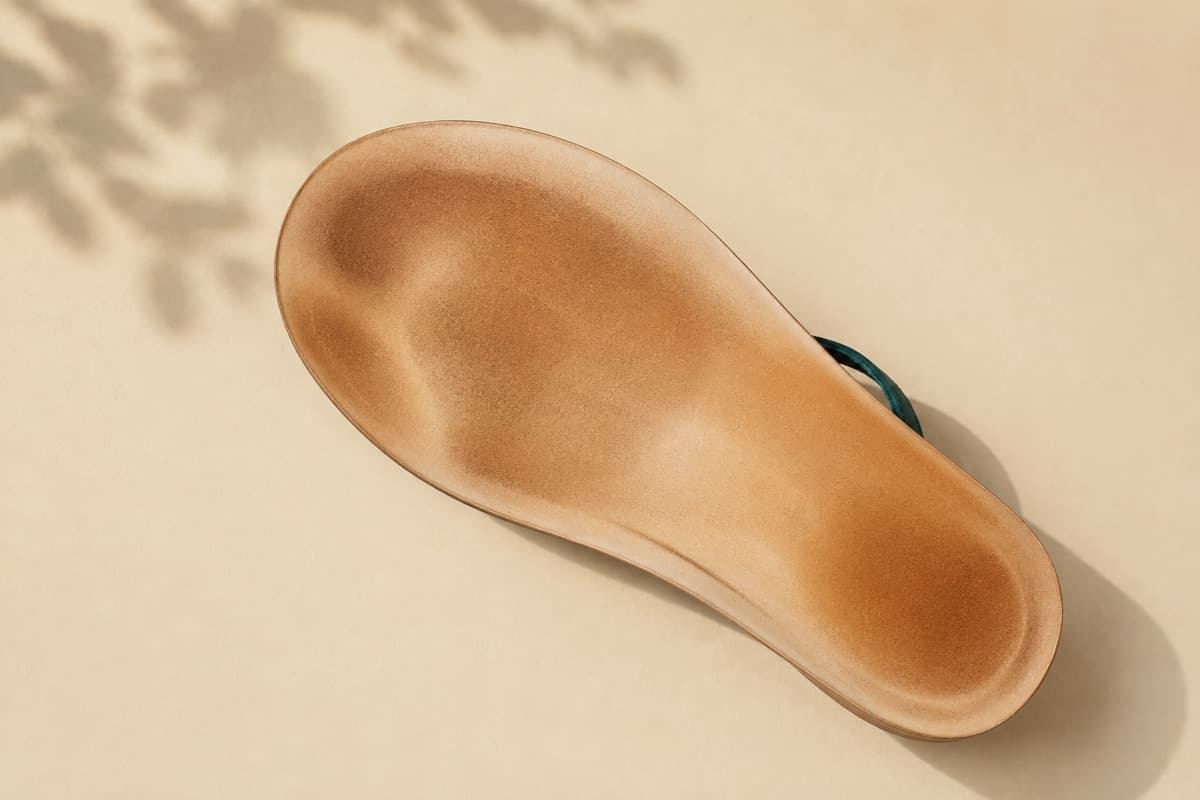
Statement three
Worn without socks, the footbed takes sweat directly and the leather darkens where your foot sits. That is patina, and it is a characteristic of unfinished leather — not a fault, and not grounds for a return on its own.
Cleaning a barefoot footbed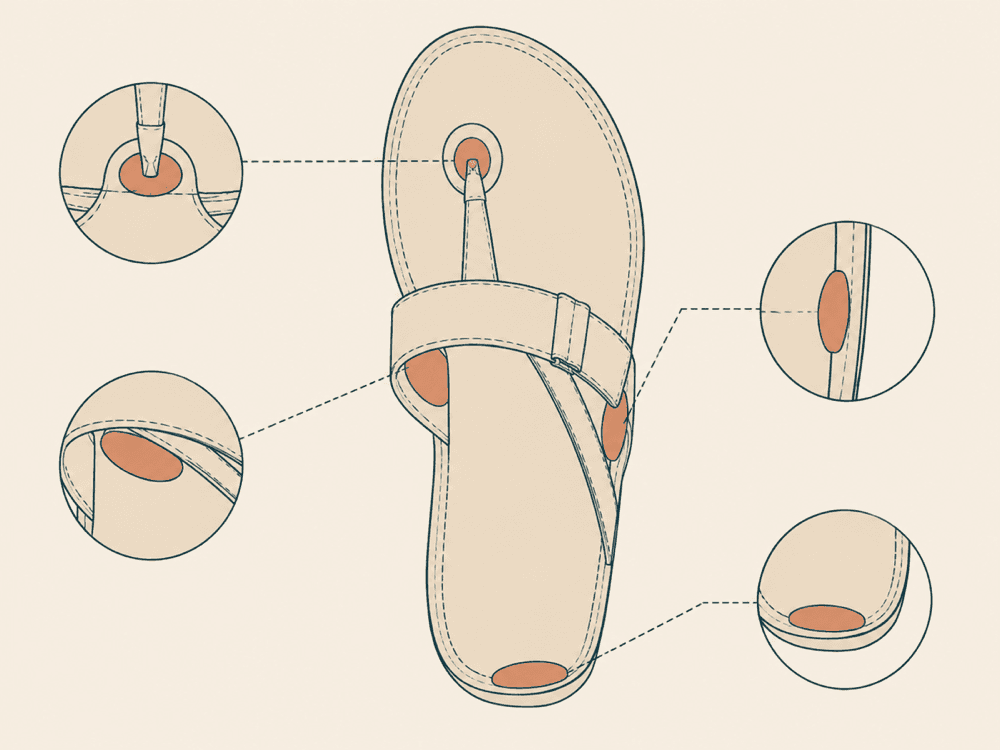
Rubbing is geometry
Only on toe-post styles. The skin fold there has almost no callus and the post moves against it with every step.
The rear rim of the footbed meets the heel at an angle while the leather is still firm. It rounds off with wear.
The strap crosses the highest point of the foot. If your instep sits near the top of a style's range, this is where you will feel it.
With nothing enclosing the side of the foot, the foot travels on the bed and the little toe meets the rim.
Adjustment is the difference between a sandal that fits your foot and one that fits the average of everyone’s. On adjustable styles we publish the full travel, and the instep height at both ends of it — the loosest hole and the tightest.
Going up a size makes the sandal longer, not taller. It will not fix a tight instep — the strap anchor points move forward, not upward.
Find your instep match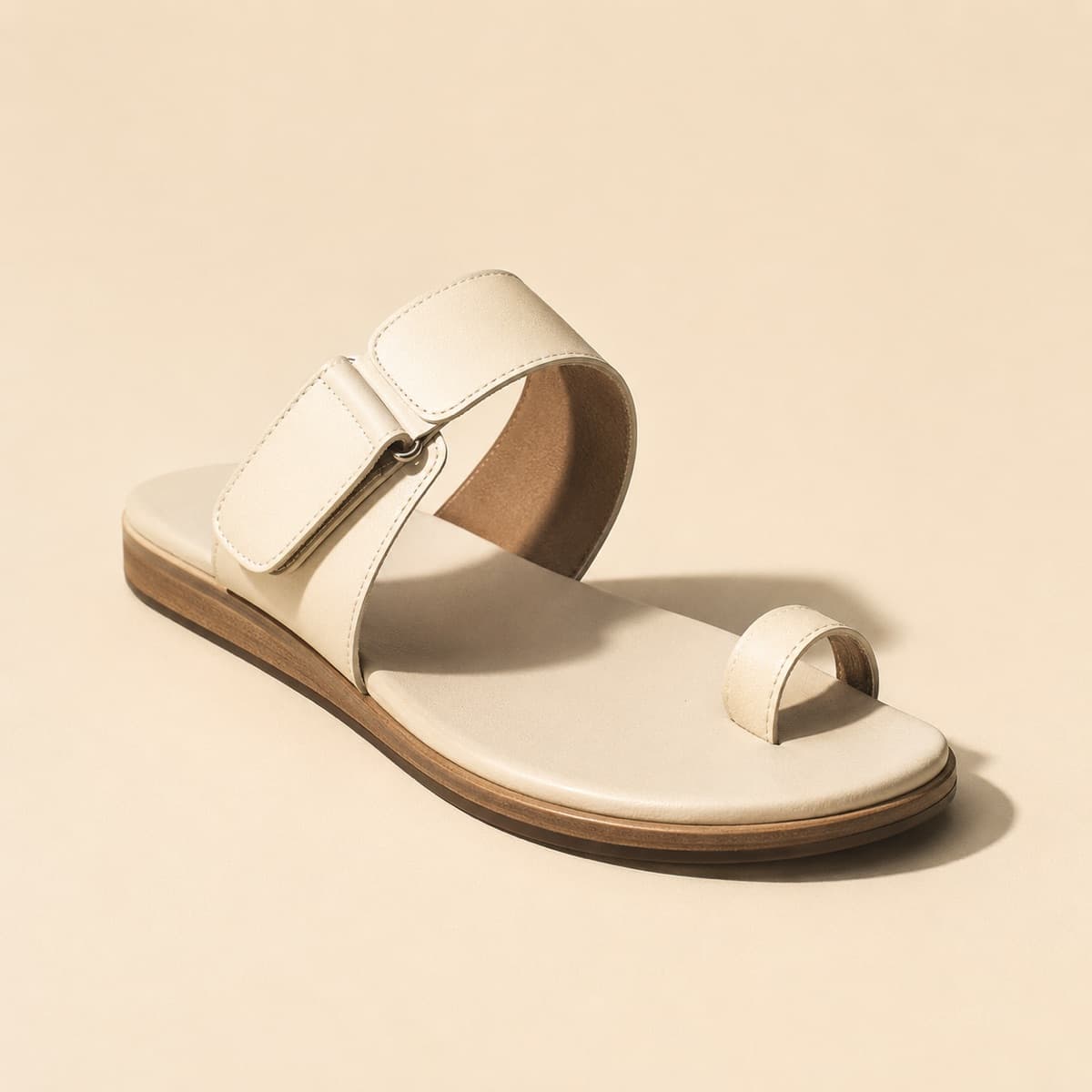
3.0 cm adjustable
USD 168
Built around a 68 mm opening. If four other styles have pressed across your foot, start here.
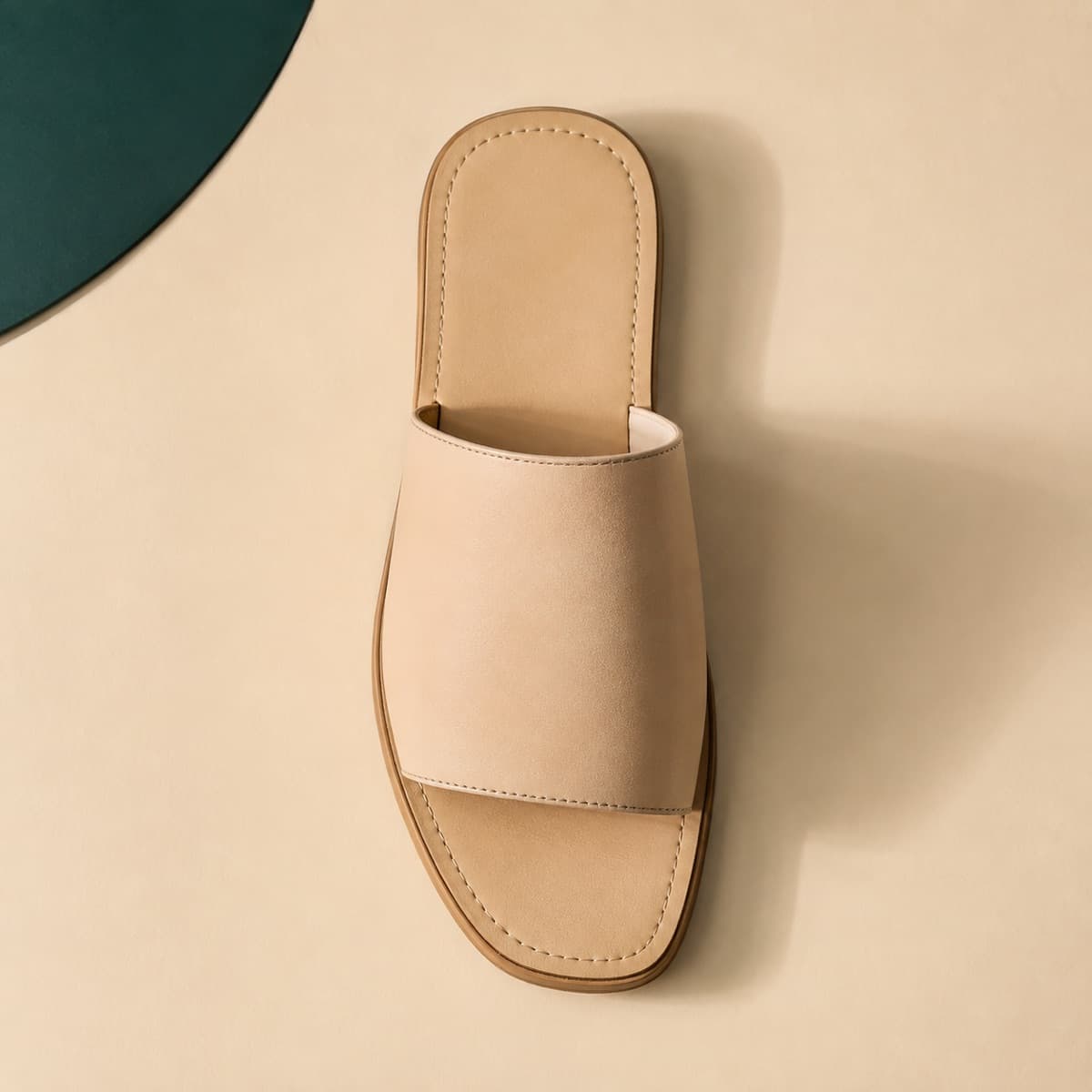
2.5 cm adjustable
USD 138
A 42 mm band instead of an 18 mm one. Same hold, spread over more than twice the area.
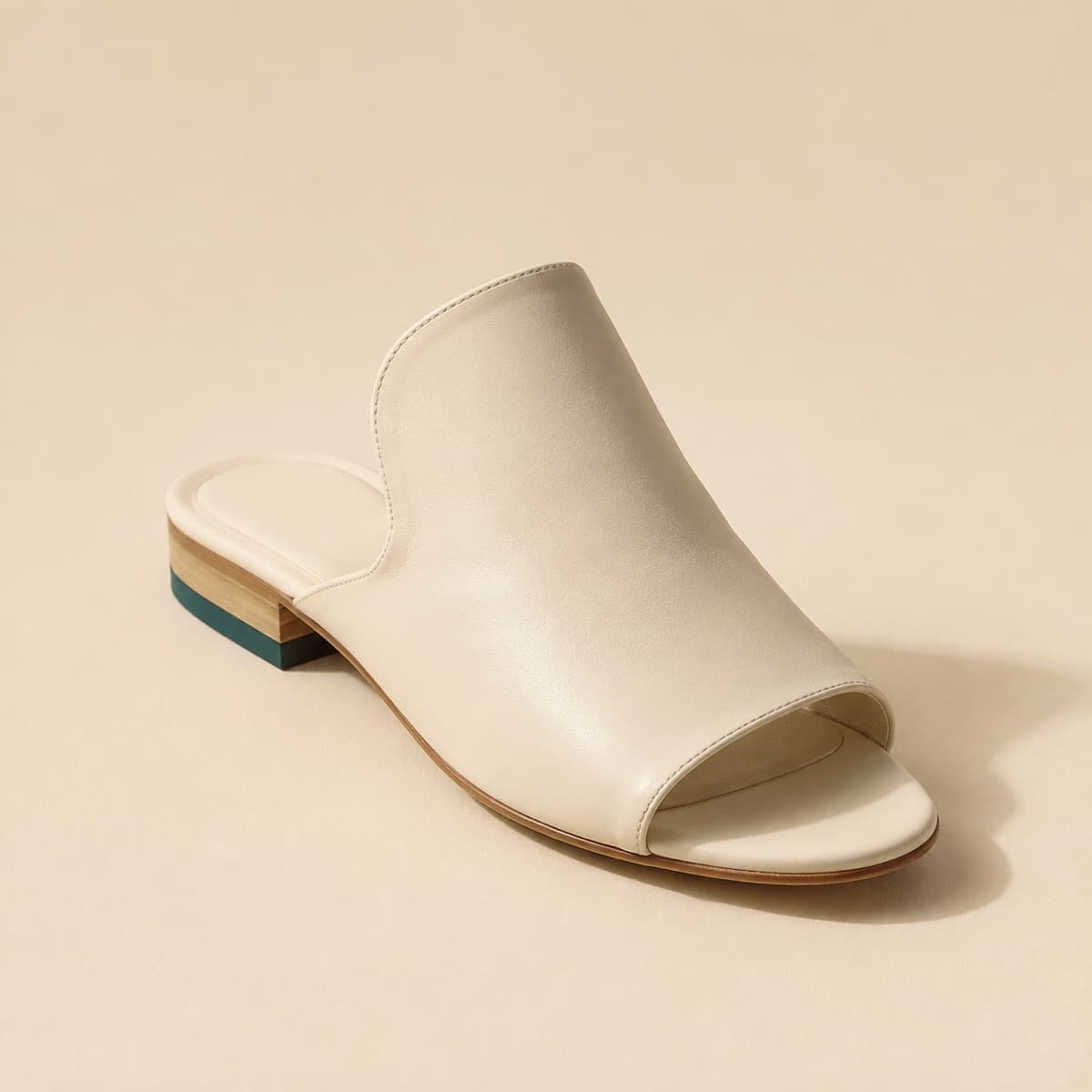
USD 178
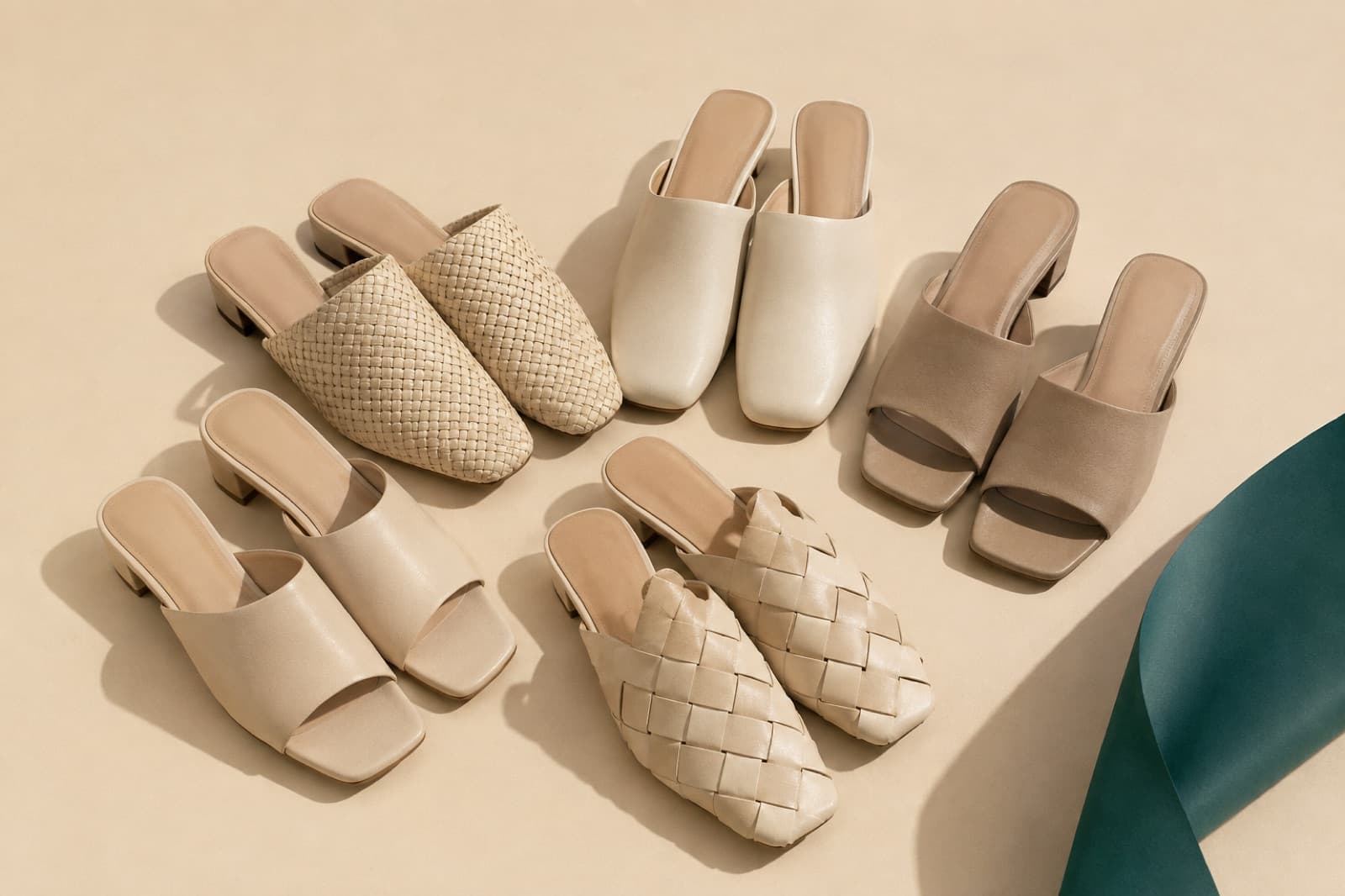
A 70 mm opening — the tallest band opening we build, and the only mule we recommend above 64 mm.
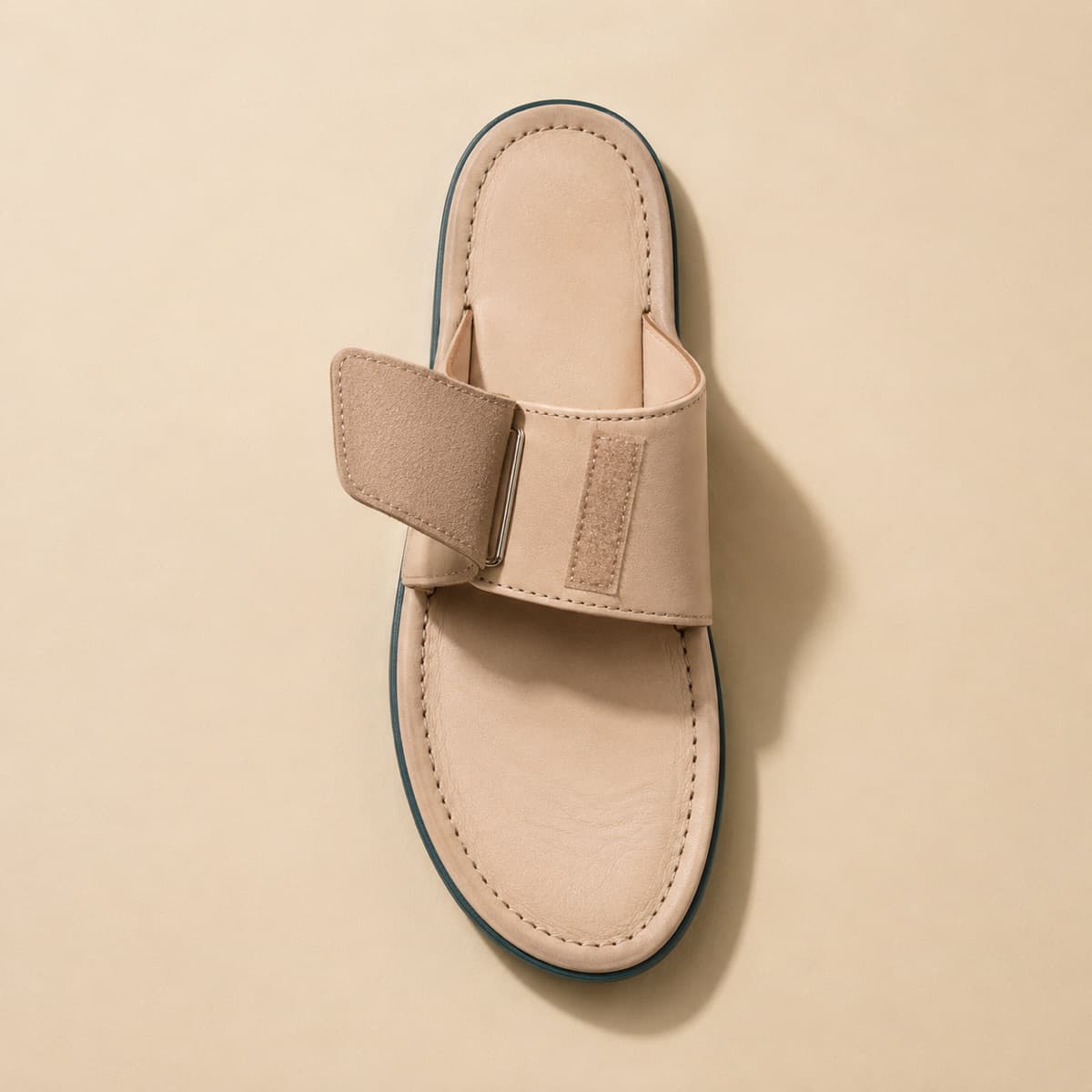
2.5 cm adjustable
USD 108
A slide you can actually tighten — 2.5 cm of travel on a hidden hook fastening.
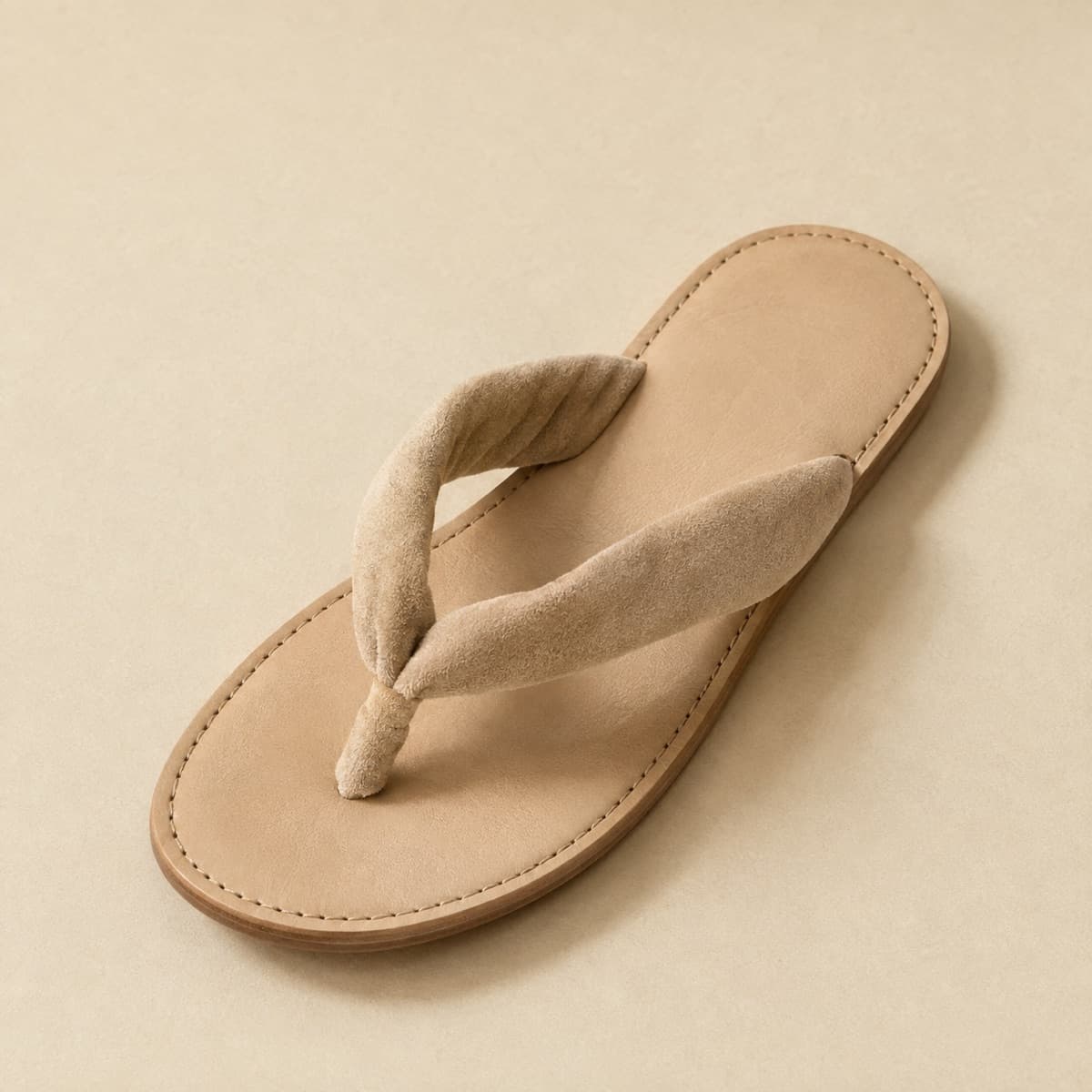
USD 98
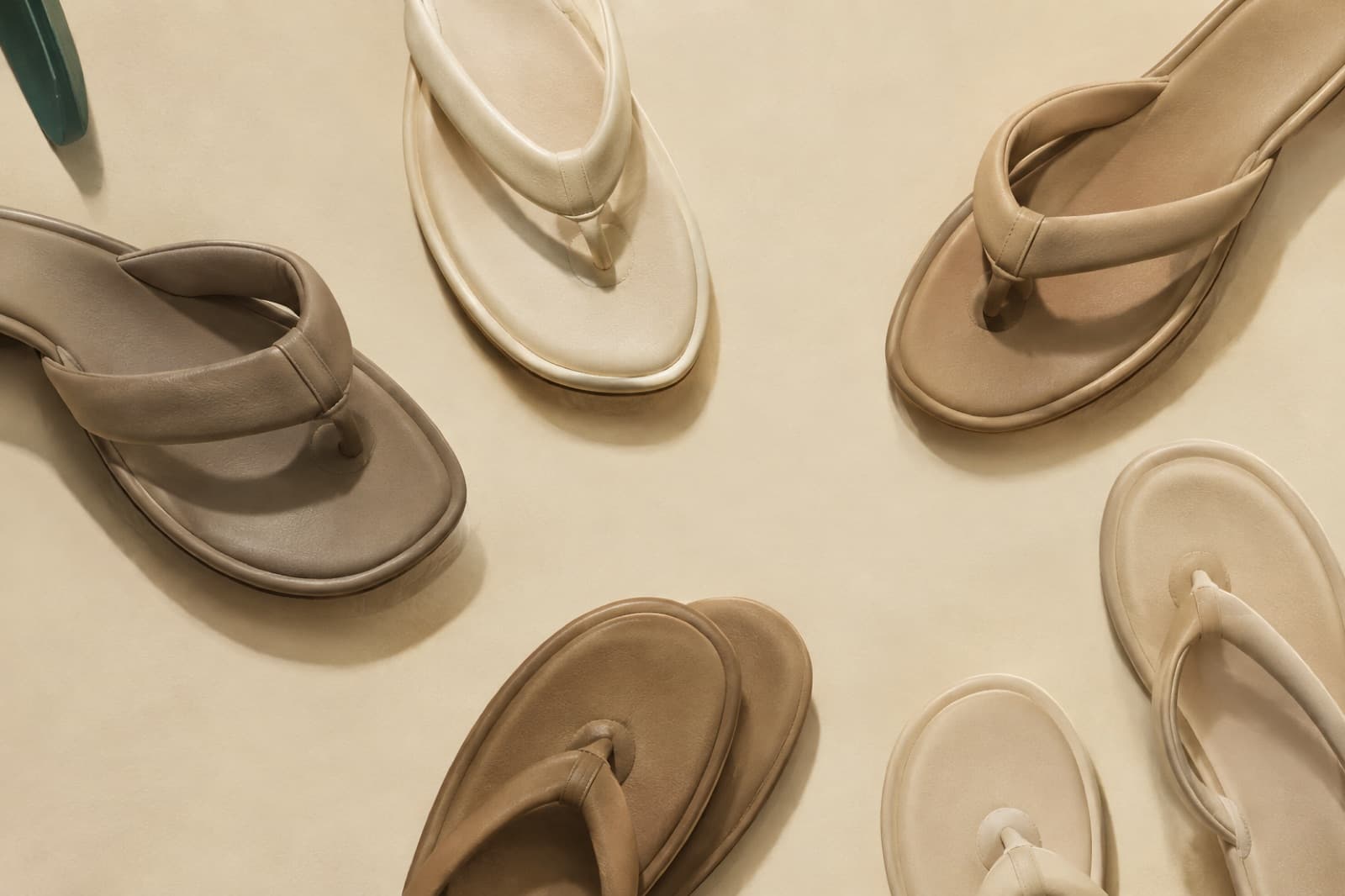
The post is wrapped in a soft sleeve, so the contact surface is wider and rounder.
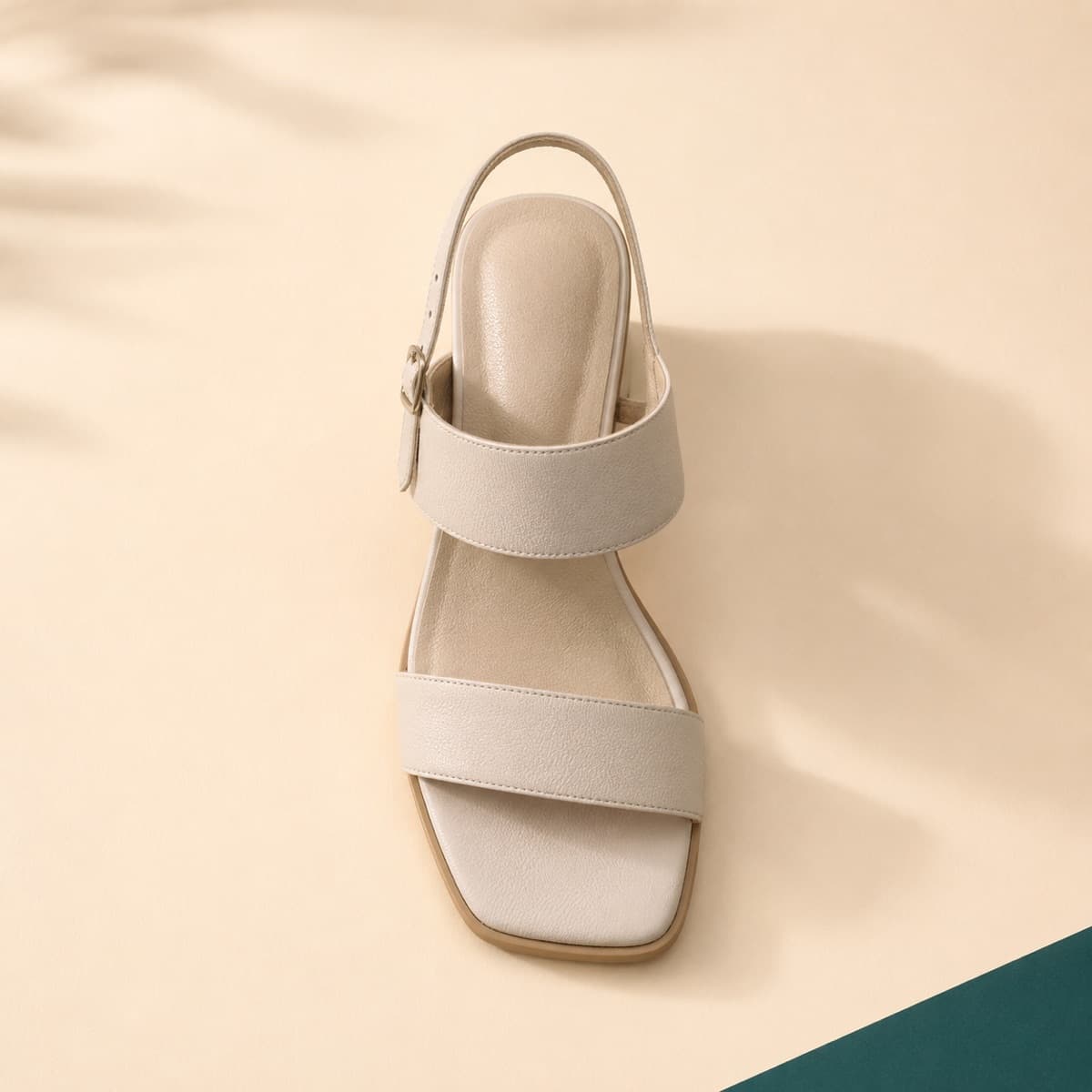
2.5 cm adjustable
USD 198
Built on a 104 mm forefoot last. A wider foot is a different shape, not a bigger size.
Upper, lining and footbed, and outsole — declared separately with the EU pictogram for each, as footwear sold in the European Union must be. If a row is missing, the product does not go live.
How to read the labelBroken straps, failed buckles and a footbed coming unglued are defects. Rubbing during the break-in period we described on the product page is not. We write out both lists with examples.
What counts as a defectTry them indoors on carpet. Soles and footbeds with outdoor wear cannot be returned, and barefoot marks on the footbed count as evident use. Free standard shipping over USD 119.
Withdrawal conditions